
Right hand finger action is a source of genuine bewilderment for many string students. The common misconception is that the fingers must be actively trained to curl and straighten — to move back and forth — in order to produce a proper bow stroke. While it is true that these movements occur, they are the effect of a chain of events in the bow arm, not the cause. The fingers do not initiate — they react.
The Paintbrush Principle
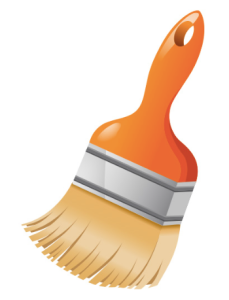
The bristles of a paintbrush react to the movement of the artist’s hand — they do not initiate it. The fingers of the bow hand work the same way.
Valborg Leland, a disciple of the pioneering pedagogue D.C. Dounis, explains this principle clearly: the fingers of the right hand are not just shock absorbers for arm weight — they also react to the movements initiated by the arm, forearm, and back when producing a sound. One must conceive of the fingers as the bristles of an artist’s brush. The bristles do not move the brush; they respond to it.
Key Concept: The opposite of this effortless, reactive feeling is to consciously initiate finger action in the right hand. When the fingers are driven rather than responsive, the result is tension, a pressed sound, and unnecessary effort — especially over extended playing.
Finding the Naturally Inclined Position
To achieve this reactive quality, Leland suggests first finding what she calls the naturally inclined position of the fingers and wrist. Once established, this position allows the fingers to begin reacting to arm weight with ease. Here is how to find it:
- Extend the arm in front of you with the fingers outstretched.
- Allow the hand and fingers to drop as though completely limp — let gravity do the work.
- Bring the tip of the thumb and middle finger together as if holding a bow. The position that results is the natural inclination of the fingers and hand when bowing.
- Maintain this position. Some players tend to over-pronate the wrist due to a lack of balance in the hand. Returning to this simple motion study regularly will help orient the student back to the most natural approach.
Applying It to Détaché
Once the naturally inclined position is established, it can be applied directly to bow stroke practice:
- Place the bow on the string at the middle. Relax the fingers and hand into the naturally inclined position.
- Using the elbow as a hinge, begin extending the forearm toward the tip of the bow.
- Do not drop the wrist. The challenge is to maintain the naturally inclined position throughout the stroke — so that even as the bow moves toward the tip, the fingers remain passively draped from the hand and wrist, reacting to the arm rather than driving it.
Many players instinctively bend the wrist downward when playing toward the tip. The problem with this is significant: when the wrist drops, the fingers lose their ability to act as shock absorbers for the arm’s weight. Sound production shifts from arm weight into the string — which is resonant and free — to pressing with the hand and fingers, which produces a constricted, effortful tone lacking resonance.
This extra work may not be immediately obvious, but it accumulates. Players who rely on pressing rather than arm weight will feel the difference acutely after extended playing — in fatigue, tension, and a sound that never quite opens up.
The path to a free, resonant bow stroke runs through the fingers — not as drivers, but as responders. Find the natural position, maintain it, and let the arm do the work.
* From ‘The Dounis Principles of Violin Playing: Their Meaning and Practical Application’ by Valborg Leland.
by Rozanna Weinberger
0 comments