
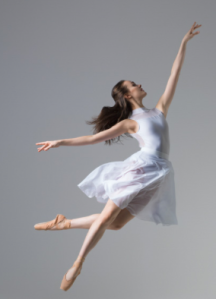
When I was in school I always admired dancers who seemed to be the antithesis of the motley crew which were us instrumentalists. While most string players rarely considered posture as a significant part of the equation for optimal technique, posture and dance technique are inseparable.
But times have changed and it seems learning to play in a free and natural manner can't be separated from a working understanding of how we carry ourselves and its effects on one's playing. From my own experience, posture and learning to differentiate parts of the body — including shoulders, torso, sternum and clavicle — are essential though typically misunderstood or not discussed at all.
In previous posts I discussed the effects of slouching. This post will focus on the shoulder and its relationship to the angle of the elbow. The angle of the elbow has everything to do with one's sound production and overall relationship to the violin.
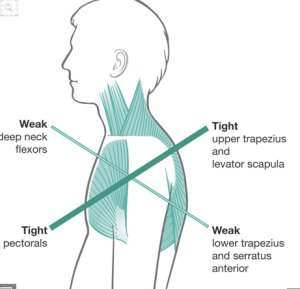
Movement Study: Observing Elbow Angle
- Sitting in a chair (preferably without arms), allow yourself to sit as you normally would. If that means slumping the shoulders and upper torso, do so without censoring your movements — simply observe kinesthetically.
- Bring up the right arm leading with the elbow. It's fine if the arm bends at the elbow, similar to when playing the violin or viola.
- Notice how the elbow points towards the ceiling while the wrist and hand are lower in relation to the elbow.
- Relax the arm down to your side.
String players sometimes have a misconception of what it means to have 'good posture.' Typically students will raise their shoulders in the hopes of holding themselves upright, or this tendency can stem from an emotional reaction to stress. But it's not the shoulders that enable one to have an upright posture — rather it is the muscles of the chest and even the abdominal muscles that contribute.
Movement Study: Accessing Optimal Posture
- Sitting in the chair, press down on the seat with your hands (if the chair has arms, press down on those).
- Notice how a simultaneous reaction happens in the torso and upper chest — the torso and chest elevate while the arms and shoulders press downward. If these sensations feel 'new,' this is a teachable moment for accessing your own optimal movements.
- While maintaining this elevated torso and natural straightening of the shoulders, bring up the elbow again.
- Notice the relationship of the elbow to the wrist and hand. When the shoulders are no longer curved, they will likely be parallel to each other.
The relationship of the elbow, wrist and hand is very important — it means the difference between using force and pressure (a result of the elbow angling upward, causing the hand and arm to press into the string at a vertical angle) versus a more natural, horizontal approach.
When the wrist and elbow are parallel, this relationship is conducive to a horizontal connection to the string. When the weight drops into the string horizontally, there is a better chance the sound will be round and vibrating rather than pressed.
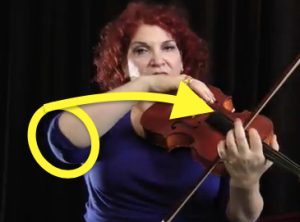
How do we get the weight of the arm into the string when we are 'horizontal' or parallel to the string? The key is to incorporate circular movements with the elbow so the weight, initiated by the elbow, goes around, up and down. Imagine drawing a circle with a pencil attached to the elbow — this is the optimum movement of the bow arm and the conveyor of weight into the string.
by Rozanna Weinberger
0件のコメント